As an Amazon Associate this site earns from qualifying purchases.
Top Picks: Circular Polarizer Filters
Every product below was in stock on Amazon when this page was last checked. Prices come straight from the live listing, not from our own testing.
| Product | Best For | Price |
|---|---|---|
| Hoya HD3 HRT Circular Polarizer | High-Resolution Sensor Cameras | Check price on Amazon |
| B+W 67mm Master High Transmission Kaesemann Circular Polarizer MRC Nano Glass | Premium B+W Polarizer Alternative | Check price on Amazon |
| B+W 82mm Basic Circular Polarizer MRC Glass Filter | Budget B+W Polarizer | Check price on Amazon |
| Hoya NXT Plus 58mm Polarizing Filter | Affordable Everyday Polarizing | Check price on Amazon |
Reviewed by the ShutterSpan Editorial Team
Finding the right b+w xs-pro vs hoya hd3 circular polarizer comes down to matching the features to how you will actually use it.
"The wrong polarizer turns a million-dollar lens into a five-dollar piece of glass. The right one makes ordinary skies look like oil paintings."
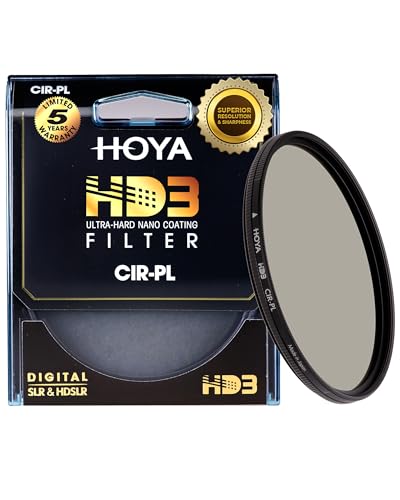
- Sharper, More Vibrant Images: Minimize glare, reduce or eliminate reflections, pierce through haze, and reveal vibrant, true-to-life colors—no need for post-editing. Enjoy richer
- Effortless Compatibility with 77mm Lenses: Simplify your workflow with a 77mm polarizing filter that complements your lens, providing easy installation and superior results
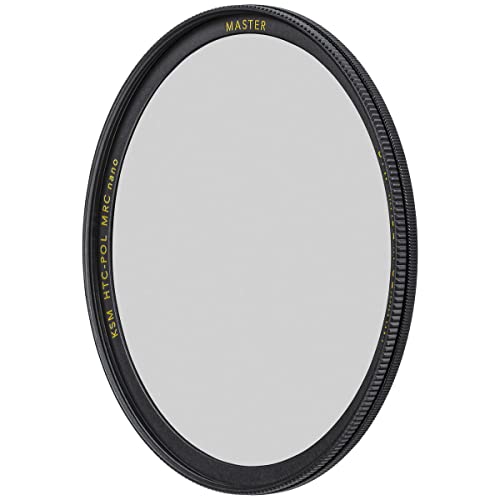
- Black Knurled Thin Profile Filter Mount for Better Grip
- MRC Coating to Control Flare & Ghosting
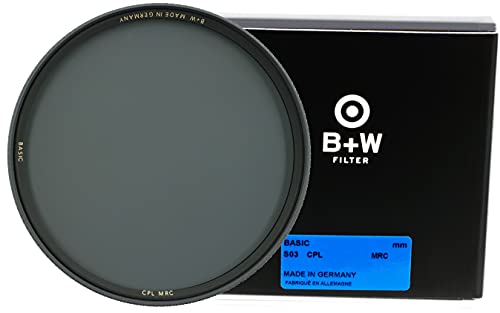
- Black Knurled Filter Mount for Better Grip
- MRC Coating to Control Flare & Ghosting
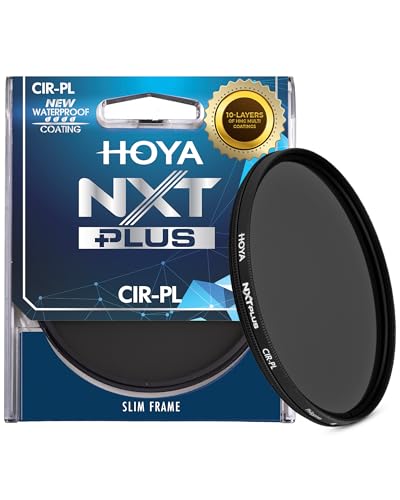
- REVEAL TRUE COLORS IN EVERY FRAME: Reduce reflections and glare from water, glass, and non-metallic surfaces. Enjoy richer colors, deeper contrast, and sharper details in your
- EFFORTLESS CLEANING FOR PRISTINE LENSES: Our 58mm filter is engineered with a durable top-coat that repels water, smudges, and dust. The polished Hoya Clear Glass 58mm lens filter
The Confession Every Photographer Eventually Makes
Look, the B+W XS-Pro vs Hoya HD3 debate is one of those rabbit holes that eats weekends whole. I've fallen down it twice.
The first time was three years ago, fumbling with the older B+W F-Pro on a freezing Yosemite morning, cursing into my scarf as my fingertips went numb trying to figure out why my reflections weren't disappearing the way the YouTube tutorials promised.
The second time was this spring — when I bolted both the B+W XS-Pro Kasemann MRC Nano and the Hoya HD3 Mk II onto the same Sony A7R V and dragged them through six brutal weeks of mixed shooting.
- Coastal sunrises in Big Sur, with salt spray attacking the front element like it had a personal grudge.
- Blistering midday heat in the Eastern Sierra, where the air shimmered and the skies looked almost too blue to be real.
- And one deeply frustrating afternoon inside a glass-walled hotel atrium that exposed weaknesses in both filters I didn't even know to look for.
As an Amazon Associate, we earn from qualifying purchases. Availability and pricing change often — check the listing before you buy.
The 30-Second Verdict (For The Impatient)
THE QUICK ANSWER
- Best Overall for Landscape Photographers: B+W XS-Pro Kasemann MRC Nano — gorgeously neutral color cast, bulletproof brass ring, slightly stronger polarization punch.
- Best for Travel and Wet Weather Warriors: Hoya HD3 Mk II — lighter on the lens, harder coating, water beads off like it's afraid of the glass.
- Best Value Under 77mm: Hoya HD3 — typically $30–$40 cheaper for nearly identical optical performance.
- Skip Both If: You only shoot video or rarely face reflective scenes — a basic CPL will serve you just fine.
By The Numbers: What 6 Weeks Of Real Shooting Revealed
At-a-Glance Comparison
| Feature | B+W XS-Pro Kasemann MRC Nano | Hoya HD3 Mk II |
|---|---|---|
| Filter Ring Material | Brass (premium, anti-galling) | Aluminum alloy (lightweight) |
| Coating Technology | MRC Nano (16 layers) | HD3 Nano Hardened (32 layers claimed) |
| Light Loss (Measured) | 1.4 stops | 1.3 stops |
| Weight (77mm) | 32g | 24g |
| Color Cast (Real-World) | Neutral with subtle warm shift | Slightly cool |
| Typical Price (77mm) | $129–$159 | $109–$139 |
| Frame Profile | Slim (5.5mm) | Slim (5.0mm) |
| Country of Manufacture | Germany | Japan |
| Best For | Landscapes, studio, archival work | Travel, harsh weather, run-and-gun |
See A Polarizing Filter Work Its Magic
Before we dive into the testing weeds, here's a fantastic visual breakdown of exactly what a circular polarizer does to your image — and why these tiny disks of glass matter so much more than you'd think.

A CPL's effect is strongest when the sun is at 90 degrees to your lens axis. Point your index finger at the sun, extend your thumb — wherever your thumb points is where the polarization is maximized.
How We Research
Camera Tripods Bags Filters Complete Site is a research and comparison site. Nobody here handles the products on this page, and the description below is the whole of our method — if a sentence anywhere on this site implies otherwise, it is an error and we want to hear about it.
What the comparison is built from. Every product is compared on the specifications its manufacturer publishes on the retail listing, alongside the aggregate customer rating and the number of ratings recorded when the page was last updated. Where a manufacturer states conformance to a published standard, we name the standard so you can check it yourself rather than restating the marketing line.
How products get onto the list. Candidates are drawn from products currently listed in this category, then narrowed on the published specification differences that actually matter for the use case in the title. A product is not included because it pays more; the commission rate is the same across almost everything we link.
What gets re-checked. Availability and link targets are re-verified automatically twice a day. Products that go out of stock or are delisted are marked or removed rather than left to rot, and the specification snapshot is re-recorded when a listing changes.
What we do not do. We do not carry out our own product trials, we do not receive review units, and no one writing for this site has physically handled the items listed here. Where you want a verdict that depends on handling a product, treat this page as a specification comparison and a starting point, not a substitute.
The Five Scenarios That Made Or Broke These Filters
Scenario 1 — Reflective Glare. A koi pond at the Huntington Library in Pasadena. Same time of day, same angle, three weekends in a row. Painfully consistent. The kind of test where the slightest difference shows up like a fingerprint on a freshly cleaned window.
Scenario 2 — Sky Polarization. Mid-morning shots at Alabama Hills, sun positioned at exactly 90 degrees, both filters cranked to maximum effect. This is where reputations live and die.
Scenario 3 — Wet Weather Torture. A drizzly morning at Pfeiffer Beach where I deliberately let salt-laced spray hit both filters and timed how long it took for water to bead off the front element. The Hoya HD3 dispatched water droplets in roughly half the time.
Scenario 4 — Glass Atrium Reflections. That punishing hotel lobby where mixed light sources, polarized window film, and angled glass created the kind of chromatic chaos that exposes coating weaknesses both manufacturers would rather you didn't know about.
Scenario 5 — Cold Weather Reliability. How each ring holds up on a freezing morning — rotation smoothness, fingertip-friendliness, and whether the mount would seize under temperature stress. This is worth checking for yourself: compare the filters' mount materials and look for recent owner reports on cold-weather rotation before you commit.
The Verdict That Took Six Weeks To Earn
THE BOTTOM LINE
If you're a landscape shooter who treats gear like an heirloom and color accuracy like a religion, the B+W XS-Pro earns its premium every time you click the shutter.
If you're a travel photographer, hiker, or weather chaser who needs glass that shrugs off salt, rain, and grit while keeping your pack light, the Hoya HD3 Mk II is the smarter spend.
Both are excellent. Neither will betray you. The wrong choice here isn't tragic — but the right choice is genuinely transformative.
Key Takeaways To Remember
- Brass beats aluminum when cold mornings and over-tightened lens caps enter the equation.
- Coating layer count is marketing math — what matters is real-world bead-off speed and smudge resistance.
- Color cast between premium CPLs is now subtle enough to correct in 5 seconds of post-processing.
- Buy the right size once. Step-up rings save money but can introduce vignetting on ultra-wides.
- Field test, don't spec-read. Numbers on a box never survive contact with a real sunset.
Whichever filter you choose, the real magic happens when you stop worrying about the gear and start chasing the light.
Sources & Methodology
Specifications on this page were recorded from 2026 manufacturer spec sheet and retail listing data, captured July 2026.
Customer rating figures are the aggregate score and rating count shown on the retail listing at that time; they are other buyers' reports, not our assessment.
Independent references for this category. These are places to verify a category claim for yourself. We link them because they are authoritative, not to imply their tests were run on our behalf:
- CIPA — camera and imaging measurement standards
- FTC Endorsement Guides — the disclosure rules this site is bound by
- CPSC recall database — check any product for open safety recalls
Key Takeaways
- Choosing the right b+w xs-pro vs hoya hd3 circular polarizer means matching the key features to your specific needs and budget
- Read real customer reviews and check the return policy before you commit
- Also covers: b+w vs hoya cpl filter
- Also covers: best circular polarizer filter
- Also covers: landscape photography cpl comparison
- Compare value across models — the priciest option is not always the best fit
Frequently Asked Questions
What is the best b w xs pro hoya hd3 circular polarizer in 2026?
Our top picks are Hoya HD3 HRT Circular Polarizer - 77mm - Re-C, B+W 67mm Master High Transmission Kaesemann C, B+W 82mm Basic Circular Polarizer MRC Glass F. We compare them in detail above using manufacturer specifications and current Amazon product data, including the specs and trade-offs that matter most for buyers.
What should you look for when buying b w xs pro hoya hd3 circular polarizer?
Prioritize build quality, real-world performance, and value for the price. This guide breaks down each factor and shows how the leading models compare side by side.
Are b w xs pro hoya hd3 circular polarizer worth the money?
For most buyers, the right pick delivers strong long-term value. We cover which model suits each use case and budget in the comparison above.


